
Overview
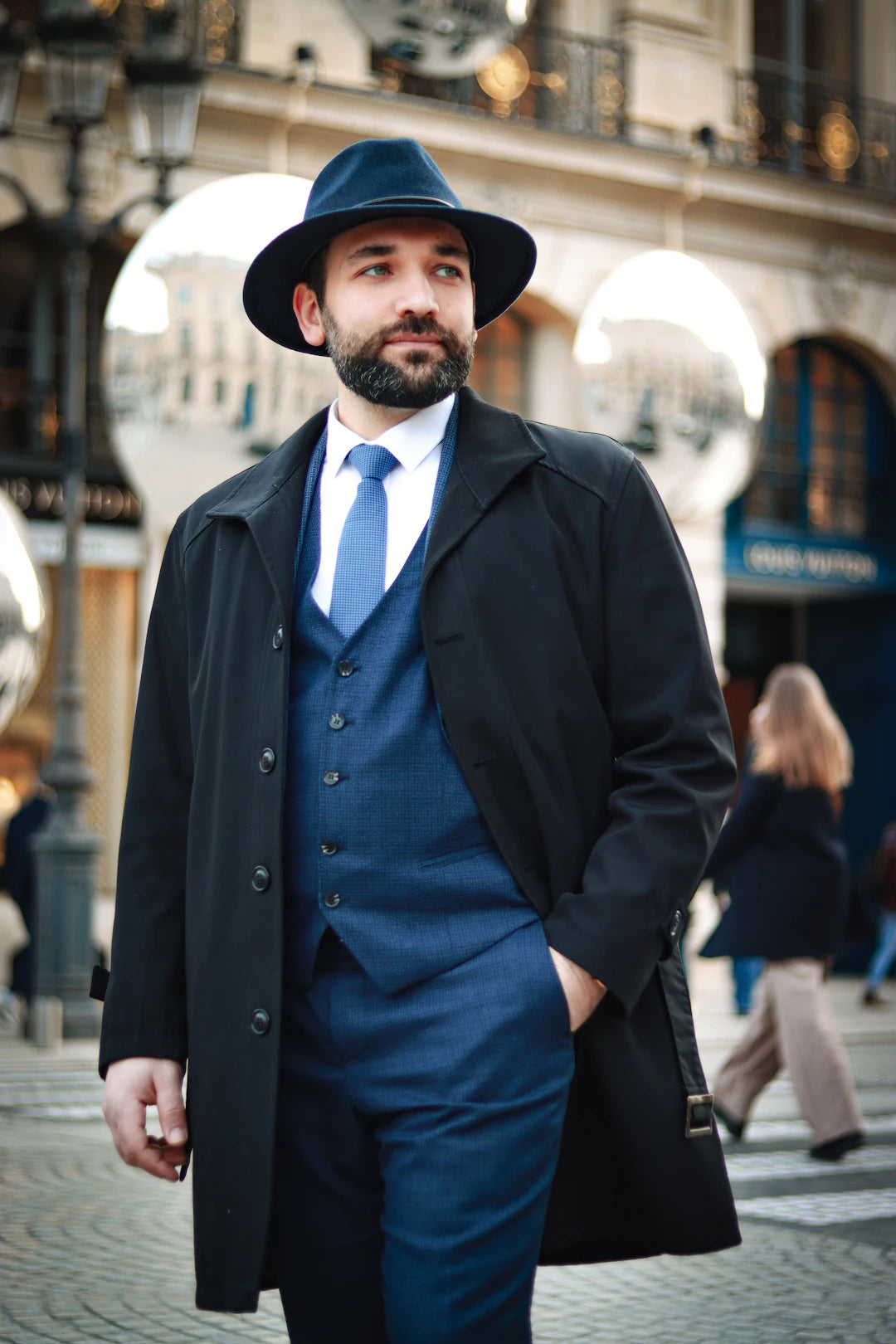
Men's suits have evolved from mere clothing to powerful symbols of status and individuality in popular culture, prominently featured in film, politics, and fashion. Iconic moments, such as Marlon Brando in "The Godfather" and Barack Obama's presidential style, showcase how suits convey authority and sophistication. Contemporary trends now incorporate casual styles and sustainable practices, making suits versatile for modern wardrobes. Tailoring remains crucial for achieving a perfect fit, allowing personal style to shine through. Overall, men's suits continue to reflect societal values and individual expression across various mediums.
Frequently Asked Questions
1. What is the cultural significance of men's suits?
2. How have men's suits evolved in film?
3. What role do men's suits play in politics?
4. How have music icons influenced men's suit trends?
5. What should I consider when building a suit collection?
Men's suits have been a staple in popular culture, embodying power, sophistication, and style. From the silver screen to fashion runways, the presence of a well-tailored suit has often signified more than just clothing; it has represented cultural values, societal norms, and unforgettable moments in history. In this blog post, we'll explore some iconic moments where men's suits took center stage, influencing not just fashion, but also society as a whole.
The Evolution of the Men's Suit in Film
The representation of suits in film has undergone a significant transformation over the decades. Initially, suits were merely part of wardrobe choices for characters, but they quickly evolved into symbols of status and personality. Here are some landmark moments in the film industry that showcased the classic men's suit:
1. The Godfather: Tailored to Perfection
Released in 1972, "The Godfather" is a seminal film that brought men's suits into the spotlight. Marlon Brando's portrayal of Don Vito Corleone not only captivated audiences but also solidified the traditional three-piece suit as an integral part of mobster fashion. The attention to detail in these menswear suits—from the fabric to the fit—highlighted the significance of a well-made suit in asserting authority and control.
2. James Bond: The Ultimate Suit Icon
No discussion of men's suits in popular culture is complete without mentioning the iconic James Bond. Since "Dr. No" premiered in 1962, Bond's suave demeanor has been complemented by a variety of tailored suits that reflect his sophisticated lifestyle. The enduring appeal of Bond's wardrobe has influenced countless men to invest in high-quality suits, illustrating how the right outfit can exude confidence and charm.
The Suit as a Symbol of Power in Politics
In the realm of politics, the men's suit has often been synonymous with authority and influence. Leaders and politicians have relied on suits to portray their professionalism and integrity, and certain key moments have defined this association:
1. The Presidential Debate: A Suited Showdown
The first televised presidential debate between John F. Kennedy and Richard Nixon in 1960 marked a pivotal moment in both political history and fashion. Kennedy's polished look in a tailored suit contrasted sharply with Nixon's less formal attire, showcasing how a well-fitted suit can affect public perception. This iconic debate demonstrated that the right men's suit could be pivotal in shaping a candidate's image.
2. The Obama Effect
When Barack Obama took office, his style quickly became a reference point for modern political fashion. His selection of suits—often featuring slim cuts and neutral colors—set a new standard for politicians. His ability to incorporate contemporary design into traditional menswear suits resonated with younger constituents, bridging the gap between classic style and modern sensibilities.
Fashion Runways and Pop Culture
The influence of men's suits extends beyond film and politics into the realms of fashion and music. Designers have embraced the suit in various forms, turning it into a canvas for creative expression:
1. Runway Shows: Suits with a Twist
Throughout fashion weeks around the globe, menswear suits have taken on new forms and interpretations. Designers such as Gucci and Dior have reimagined the classic suit, integrating unique patterns, bold colors, and avant-garde cuts. These runway moments challenge the notion that men's suits need to adhere to strict conventions, encouraging fashion-forward individuals to explore cheap mens suits without sacrificing style.
2. Music Icons and the Suit Trend
Music artists have also played a significant role in popularizing suits. From Frank Sinatra to Justin Timberlake, the suit has become a key element of their stage personas. This intersection of music and style showcases the versatility of suits on men, reinforcing their presence in contemporary culture. Artists often utilize suits to emphasize their individuality while maintaining an air of sophistication.
Iconic Television Moments in Menswear
Television has often served as a window into evolving trends, and men's suits have not escaped this scrutiny. Certain shows have etched their actors' styles in the cultural zeitgeist:
1. Mad Men: The Golden Age of Suits
Set in the 1960s, "Mad Men" brought the world of advertising—and its fashion—to a new audience. The series not only showcased the tailored men's suit as a representation of success but also highlighted how styles changed over time. The characters’ suits reflected their personalities, choices, and the social dynamics of the era, making it a costume drama that reinvigorated interest in vintage menswear suits.
2. Suits: A Legal and Fashion Dramatic Overlap
The show "Suits" brought a new dimension to business attire, where legal complexities were matched by fashion finesse. The characters, particularly Harvey Specter, epitomized sharp dressing that communicated power in negotiations and courtroom dramas. This representation led audiences to perceive men's suits as essential tools in the business world, prompting many to seek their versions during suit sales.
The Cultural Impact of Men's Suits Today
As we navigate through the various mediums that have shaped our view of men's suits, it becomes evident that their cultural significance remains strong. The various contexts, from film to music, reflect broader societal values and evolving attitudes towards masculinity, professionalism, and self-expression.
1. The Rise of Athleisure and Casual Styles
The growing popularity of athleisure has transformed perceptions of men's suits in recent years. While suits are still associated with formal occasions, many have sought to integrate relaxed styles without compromising their aesthetic. Designers now play with fabrics and cuts, offering versatile options for those wanting to wear suits on men in casual settings. This shift demonstrates the adaptability of the men's suit into contemporary wardrobes.
2. Sustainable Fashion and Ethical Choices
In recent years, sustainability in fashion has gained momentum, encouraging consumers to consider the ethical implications of their purchases. This trend has influenced how men’s suits are produced, with many brands beginning to focus on sustainable materials and practices. Shoppers can find not only stylish but also environmentally-friendly options, making cheap mens suits that are mindful of both style and sustainability more accessible.
Wardrobe Essentials: Building Your Suit Collection
To capture the essence of iconic menswear suits from popular culture, it’s essential to consider your wardrobe carefully. Here are some recommendations for building a versatile and stylish suit collection:
- The Classic Black Suit: Timeless and always appropriate for formal occasions.
- Charcoal Grey Suit: Perfect for business settings and versatile enough for evening events.
- Patterned Suit: Adds character to your wardrobe; think plaid or subtle checks.
- Casual Blazer: A smart option for semi-formal gatherings, pairing well with chinos or dark jeans.
- Accessories: Don't forget ties, pocket squares, and cufflinks to elevate your style.
Fitting In: The Importance of Tailoring
Regardless of the style of suit you choose, the fit can make or break your overall appearance. This is where tailoring comes into play, and it’s essential to find a good tailor to achieve that impeccable fit that is often seen in famous suits on men:
1. The Tailored Advantage
A well-tailored men's suit enhances your silhouette, providing you with the confidence to show up and stand out in any situation. Whether you find yourselves attending a formal business event or a wedding, proper fittings ensure that your suit reflects your personal style while providing maximum comfort.
2. Embracing Personal Style
When considering a tailor, embrace the opportunity to incorporate your personality into your outfit. Choose unique fabrics, colors, and styles that align with your tastes. The combination of a personal touch with professional tailoring can help you achieve that iconic look reminiscent of your pop culture inspirations.
Your Style Evolution Awaits
As we've explored, men's suits have left a definitive mark across various sectors of popular culture. From film to politics to fashion, the suit has continuously evolved into a symbol of individuality and self-expression, transcending mere functionality. So, whether you’re considering cheap mens suits for your first purchase or investing in luxury menswear suits, remember that each piece you choose has the potential to carry a story, a personality, and a legacy—as much a part of popular culture as the icons who wore them.